



Whether you’re gearing up your 4WD for off-road adventures or just want better visibility during late-night drives, LED light bars and spotlights are a great way to enhance your lighting set-up. But knowing what you can and can’t use in your state can be tricky. While some states have more relaxed rules, others have stricter guidelines. Generally, each state and territory sets its own specific regulations around the use of additional driving lights, meaning that what’s legal in one place might not be in another.
In this article, we’ll look at these different auxiliary driving lights:
- LED light bars
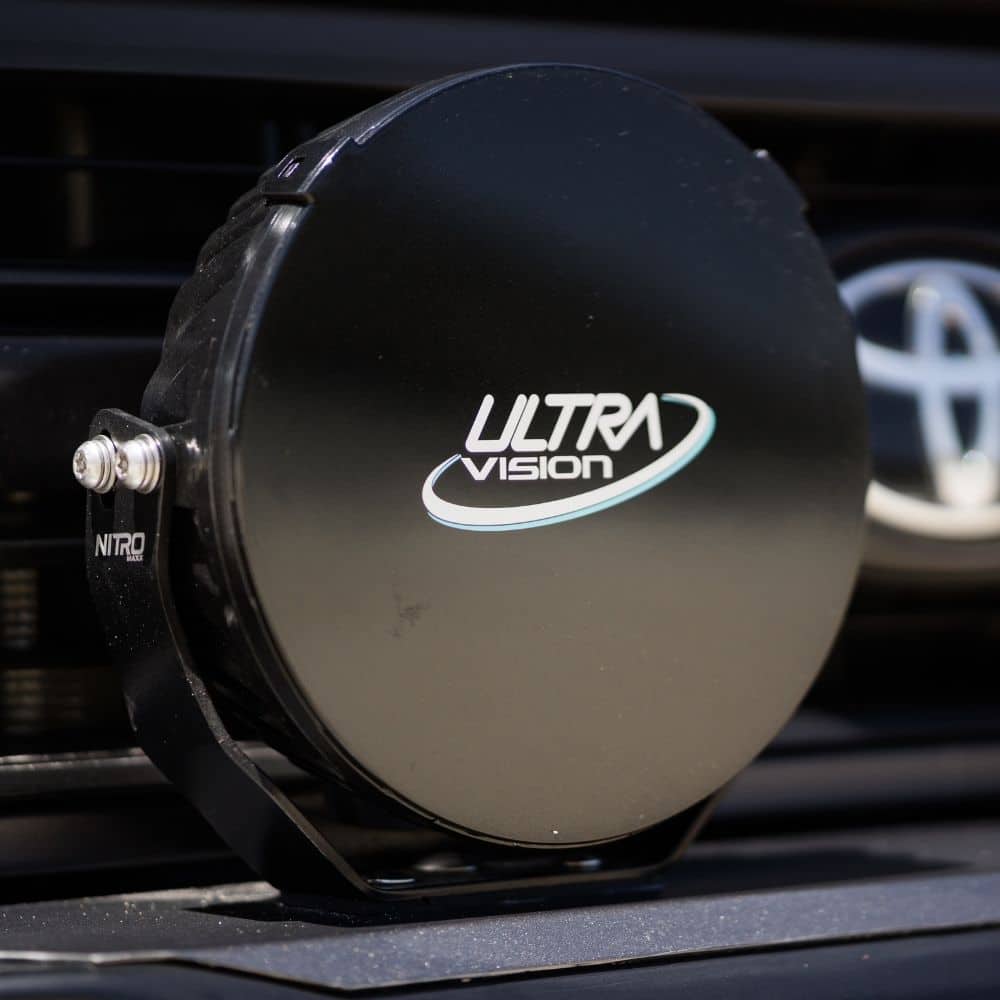
- LED headlights (spotlights)
- Roof-mounted light bars
- Number plate light bars
- Underglow

Let’s dive into the details, state-by-state, to see how your next lighting upgrade stacks up against the law. And remember, this isn’t legal advice—always check your local legislation and consult with a professional when in doubt!
Are light bars legal?
Light bars are a favourite among off-roaders for their beam width, helping you to see any obstacles when taking on tricky terrain. But before you mount one to your rig and head for the open road, it’s crucial to know in what states light bars are legal. While some states allow them under certain conditions, others have stricter guidelines. Here’s the rundown:
NSW
In New South Wales, light bars are legal however they must be fitted so they do not obstruct the driver’s view. Placement must also ensure the lights don’t produce excessive glare for other road users.
South Australia
South Australia permits light bars, but there are guidelines about how they are mounted. They can’t exceed the width of the vehicle, and their placement should ensure they don’t affect the driver’s ability to see the road clearly.
Victoria
Victoria allows the use of LED light bars, provided they are mounted symmetrically on the vehicle. Just like in other states, these lights should not interfere with the driver’s line of sight or cause discomfort to other road users.
Queensland
Queensland’s road regulations state that LED light bars are legal, provided they are mounted in pairs or as a single light bar. Proper positioning is essential to avoid blinding other drivers.
Tasmania
In Tasmania, light bars are legal if mounted at the front of the vehicle and do not interfere with other vehicle lights. Placement must ensure that they don’t impair the vision of the driver or other road users.
Western Australia
Western Australia permits the use of LED light bars, but they must be installed in a way that ensures no glare is caused to other drivers. As with other states, the light bars should either be in pairs or as a single bar.
ACT
In the ACT, LED light bars are legal as long as they are positioned properly and mounted symmetrically. Make sure they are mounted so as not to cause excessive glare or obstruct the driver’s view.
Are LED headlights (spotlights) legal in Australia?
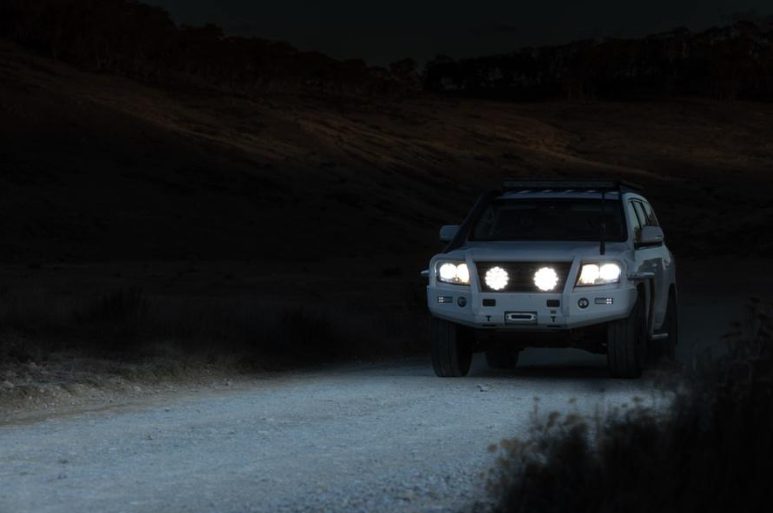
Spotties are fantastic for seeing far down the road or track and making sure you see any potential hazards from a long way off. While they are usually fine to install and use on your vehicle, there are again some rules around their use:
NSW
Spotlights are legal in NSW, but they must be fitted in pairs. As with other lights, placement is key: they cannot obstruct the driver’s view or cause excessive glare.
South Australia
In South Australia, spotlights are allowed as long as they meet specific requirements regarding mounting and light output. They must be aligned to avoid dazzling oncoming traffic.
Victoria
Victoria permits spotlights, but they must be mounted symmetrically and aligned properly to ensure safety for both the driver and other road users.
Queensland
Spotlights are legal in Queensland, provided they are fitted in pairs or as a single spotlight. Proper alignment and mounting are necessary to avoid glare and visibility issues.
Tasmania
In Tasmania, LED spotlights are legal if mounted at the front of the vehicle and installed according to the guidelines set by the state. Improper placement or excessive brightness can lead to penalties.
Western Australia
Western Australia allows LED spotlights, but similar to other states, their placement must ensure they don’t impair visibility or create a hazard for other road users.
ACT
In the ACT, spotlights are legal as long as they’re properly mounted and positioned to avoid blinding oncoming traffic or obstructing the driver’s view.
Are roof-mounted light bars legal?
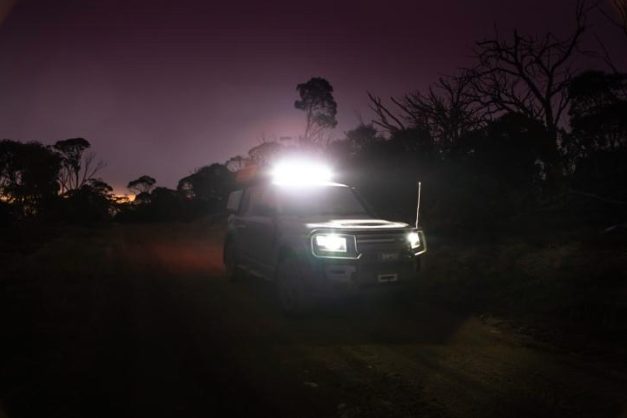
Roof-mounted light bars offer incredible visibility, especially for off-road night driving, but they also raise concerns about safety out on the road, leading to stricter regulations in many states.
NSW
In NSW, roof-mounted light bars are generally not allowed on public roads due to the risk of glare and reflection back into the driver’s eyes. While they can be used off-road, they must be switched off on freeways.
South Australia
Similar to NSW, roof-mounted light bars are not allowed on public roads in South Australia. Off-road use is permitted, but they should not be used on public streets.
Victoria
Victoria bans the use of roof-mounted light bars on public roads due concerns they could cause too much glare for other drivers. Off-roaders can use them on private or designated off-road tracks, but must switch them off when returning to the freeway.
Queensland
Roof-mounted light bars are not allowed for on-road use. They can be used on off-road tracks, but strict rules apply to their usage on public roads.
Tasmania
Again, in Tassie they can only be used for off-road driving, but must be turned off when re-entering public roads.
Western Australia
They may be used in off-road settings, but regulations prevent their use when out on the roads.
ACT
Similar to other states, in ACT, they are permitted off-road but must comply with road-use restrictions when re-entering public roads.

Are number plate light bars legal?
Number plate light bars are becoming more popular for adding subtle, low-mounted lighting that helps to enhance your standard vehicle lighting set-up, but are they allowed on public roads?
NSW
In NSW, number plate light bars are legal, provided they are mounted correctly and follow the same rules as other additional lights. They should not obstruct visibility or cause excessive glare.
South Australia
Number plate light bars are allowed, but strict guidelines exist around their mounting and light output to avoid causing accidents or visibility issues.
Victoria
Victoria permits number plate light bars as long as they meet safety and placement guidelines. Improper installation that causes glare or visibility problems can result in fines.
Queensland
The use of number plate light bars is allowed, and as in other states, must comply with mounting, positioning and output guidelines.
Tasmania
In Tasmania, number plate light bars are legal, but they must be mounted in line with state regulations to ensure road safety.
Western Australia
Western Australia permits number plate light bars as long as they are installed correctly and do not impair the driver’s vision or cause glare for other road users.
ACT
In the ACT, number plate light bars are allowed, provided they are mounted in a way that does not obstruct visibility or interfere with other lights on the vehicle.
Is underglow illegal in Australia?
Underglow lighting, where LED lights are mounted under the vehicle to create a colourful glow, might not be something you’d associate with off-road driving. But it’s still a popular customisation for many vehicle owners.
In most Australian states, underglow is illegal on public roads due to the distraction it causes for other drivers. However, it is allowed for private or off-road use. If you’re a fan of colourful or neon lights, make sure to only use them on non-public roads to avoid penalties.
When it comes to adding and enhancing the lighting on your vehicle, there are loads of rules to be mindful of. Each state in Australia has its own set of regulations, so it’s vital to check local laws and guidelines before adding them to your vehicle. Keep in mind that improper installation or usage can lead to fines—or worse, make your 4WD unsafe to drive on public roads, so always check that your lights are properly fitted and positioned. For more detailed information, be sure to check out your state’s road authority website, or get in touch with them for more info!
